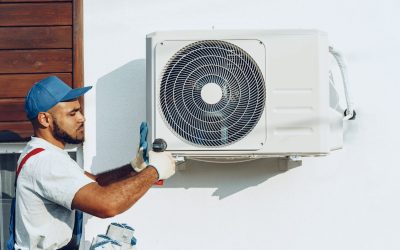

Air conditioners are often our first line of defence against the relentless heat. However, concerns about energy consumption are . Are air conditioners energy guzzlers?
Understanding Air Conditioner Electricity Consumption
Curious minds often ponder, “Do air conditioners use a lot of electricity?” While these appliances provide unparalleled comfort, they do demand a significant share of your energy budget. Understanding the factors influencing their electricity consumption is crucial for efficient usage.
Factors Impacting Air Conditioner Energy Usage
To grasp the nuances of air conditioner electricity consumption, it’s vital to dissect the contributing factors:
1. Cooling Capacity
The cooling capacity of your air conditioner directly influences its energy consumption. Units with higher BTU (British Thermal Unit) ratings typically consume more electricity.
2. Energy Efficiency Ratio (EER)
Efficiency matters! Opt for air conditioners with high Energy Efficiency Ratios (EER) to minimise electricity usage without compromising on cooling performance.
3. Climate Conditions
Climate plays a pivotal role in determining air conditioner usage patterns. In hotter climates, where air conditioners run for extended periods, electricity consumption naturally surges.
4. Size of the Space
Matching your air conditioner’s capacity to the size of the space it’s intended to cool is paramount. Oversized units may cycle on and off frequently, consuming more electricity.
5. Maintenance
Regular maintenance ensures optimal performance and energy efficiency. Clogged filters and ducts can force your air conditioner to work harder, driving up electricity consumption.
6. Thermostat Settings
Prudent thermostat settings can significantly impact energy usage. Setting your thermostat a few degrees higher during peak hours can yield substantial energy savings.
Tips for Energy-Efficient Cooling
Now that we’ve unraveled the factors influencing air conditioner electricity consumption, let’s explore actionable tips to enhance energy efficiency:
1. Invest in Energy-Efficient Models
Upgrade to energy-efficient air conditioners boasting modern features like programmable thermostats and variable-speed compressors.
2. Optimise Your Thermostat Settings
Set your thermostat to a comfortable yet energy-efficient temperature. Consider utilising programmable thermostats to tailor cooling schedules to your lifestyle.
3. Enhance Insulation
Proper insulation minimises heat transfer, reducing the workload on your air conditioner and consequently, electricity consumption.
4. Regular Maintenance
Schedule routine maintenance to keep your air conditioner in top-notch condition. Clean or replace filters regularly and ensure proper airflow to maximise efficiency.
5. Utilise Fans
Supplement your air conditioner with ceiling fans to distribute cool air more effectively, allowing you to raise the thermostat temperature without sacrificing comfort.
6. Harness Natural Ventilation
Leverage natural ventilation during cooler hours to reduce reliance on air conditioning, thereby slashing electricity consumption.
FAQs About Air Conditioner Electricity Usage
How much electricity does an air conditioner use per hour?
On average, an air conditioner consumes about 1.5 to 3 kWh (kilowatt-hours) per hour of operation, depending on factors like size, efficiency, and usage patterns.
Does turning up the thermostat save electricity?
Yes, raising the thermostat by a few degrees can yield substantial energy savings. Each degree increase can result in approximately 1% to 3% reduction in energy consumption.
Are newer air conditioners more energy-efficient?
Yes, newer models often boast advanced features and higher Energy Efficiency Ratios (EER), making them more energy-efficient compared to older counterparts.
How can I reduce my air conditioner’s electricity consumption?
Regular maintenance, optimal thermostat settings, proper insulation, and investing in energy-efficient models are effective strategies to minimise air conditioner electricity usage.
Is it better to leave the air conditioner on all day or turn it off when not needed?
It’s more energy-efficient to turn off the air conditioner when not needed, especially if you’ll be away for an extended period. Utilise programmable thermostats to adjust cooling schedules based on your occupancy patterns.
Do fans consume less electricity than air conditioners?
Yes, fans typically consume less electricity compared to air conditioners. Utilising fans alongside air conditioning can enhance comfort while reducing overall electricity usage.
Conclusion
While air conditioners undoubtedly contribute to electricity consumption, implementing energy-efficient practices and leveraging modern technologies can mitigate their environmental impact. By embracing smart cooling strategies, you can stay cool without breaking the bank or harming the planet.
We are happy to answer any of your questions, contact us today and we will be happy to talk you through your options.