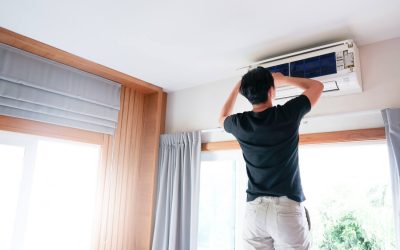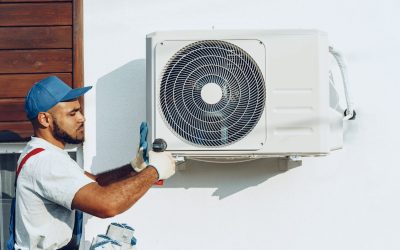

As the temperatures rise, air conditioning units become a crucial part of our daily lives, ensuring comfort during the sweltering summer months. However, like any mechanical system, air conditioners can encounter various problems that may hinder their performance. Understanding these common issues and knowing how to spot them early can save you from costly repairs and ensure your home stays cool. Here, we’ll explore some of the most frequent air conditioning problems and offer tips on how to identify them.
Lack of Cool Air
One of the most noticeable signs of an air conditioning problem is when your unit fails to produce cool air. If you find that your AC is blowing warm air or not cooling your home adequately, several issues could be at play.
Possible Causes:
- Dirty Air Filters: Clogged or dirty air filters can restrict airflow, preventing cool air from circulating throughout your home. Regularly replacing or cleaning your filters is essential to maintain optimal performance.
- Refrigerant Leaks: Low refrigerant levels due to leaks can significantly affect cooling efficiency. If you suspect a refrigerant leak, it’s crucial to contact a professional, as handling refrigerants requires specialised knowledge and equipment.
- Faulty Compressor: The compressor is the heart of your AC system, and if it’s malfunctioning, your unit may struggle to cool your home effectively.
Signs to Watch For:
- Warm air blowing from vents.
- Increased humidity levels indoors.
- Higher energy bills without increased usage.
Unusual Noises
Air conditioning units are designed to operate quietly, so any strange sounds coming from your unit should raise a red flag. Common noises include grinding, squeaking, or banging.
Possible Causes:
- Loose Parts: As units age, components may loosen, causing vibrations and unusual noises.
- Debris in the Unit: Leaves, twigs, or other debris can get lodged in the fan, leading to grinding sounds.
- Motor Issues: A malfunctioning motor or bearings may produce a grinding noise and require replacement.
Signs to Watch For:
- Squealing or screeching sounds when the unit starts.
- Grinding noises that worsen over time.
- Banging or clattering sounds during operation.
Frequent Cycling
If your air conditioning unit turns on and off frequently, this issue, known as short cycling, can lead to increased wear and tear and higher energy bills.
Possible Causes:
- Thermostat Problems: A malfunctioning thermostat may incorrectly read temperatures, causing the unit to cycle on and off too frequently.
- Oversized Unit: An air conditioner that is too large for your space will cool the area too quickly, leading to short cycling.
- Dirty Coils: Dirty evaporator or condenser coils can hinder the cooling process, forcing the unit to work harder and cycle more frequently.
Signs to Watch For:
- The unit turning on and off more than three times per hour.
- Inconsistent cooling throughout your home.
- Higher energy bills due to increased electricity consumption.
Poor Airflow
If you notice that certain rooms are not getting enough airflow, it could indicate an underlying issue with your air conditioning system.
Possible Causes:
- Blocked Vents: Furniture or other obstacles may block vents, restricting airflow.
- Duct Issues: Leaks or blockages in the ductwork can lead to poor airflow in specific areas of your home.
- Malfunctioning Blower Motor: If the blower motor is not functioning correctly, it can affect the unit’s ability to circulate air effectively.
Signs to Watch For:
- Uneven cooling in different rooms.
- Weak airflow from vents.
- Vents that feel hot to the touch.
Foul Odours
Unpleasant smells coming from your air conditioning unit can indicate serious problems, such as mould growth or electrical issues.
Possible Causes:
- Mold or Mildew: If moisture accumulates in the unit, it can lead to mould growth, resulting in musty odours.
- Burning Smell: A burning smell may indicate an electrical issue, such as overheating wires or motor problems, which can be dangerous.
- Dead Animals: In some cases, small animals may find their way into ductwork, leading to unpleasant odours when the AC is running.
Signs to Watch For:
- Musty smells, especially when the unit is running.
- A burning smell or any sign of smoke.
- Unexplained foul odours when the AC is in operation.
High Humidity Levels
Air conditioners are designed to remove humidity from the air, so if you notice increased humidity indoors, it may indicate a malfunctioning system.
Possible Causes:
- Low Refrigerant Levels: Insufficient refrigerant can hinder the unit’s ability to remove humidity effectively.
- Dirty Coils: When evaporator coils are dirty, they can’t absorb heat and humidity properly, leading to higher humidity levels indoors.
- Inadequate AC Size: An air conditioning system that is too small for your home will struggle to maintain comfortable humidity levels.
Signs to Watch For:
- Feeling sticky or clammy indoors.
- Condensation on windows or walls.
- An increase in mould or mildew growth.
Conclusion
Being aware of these common air conditioning problems can help you spot issues early and maintain your unit’s efficiency. Regular maintenance, such as cleaning or replacing air filters and scheduling annual inspections, can go a long way in preventing these issues.
If you’re experiencing any of the problems mentioned above or need assistance with your air conditioning system, don’t hesitate to contact us today!
Our team of experienced professionals is here to help you diagnose and fix any issues, ensuring your home stays cool and comfortable all season long. Let us handle your AC needs so you can enjoy peace of mind!