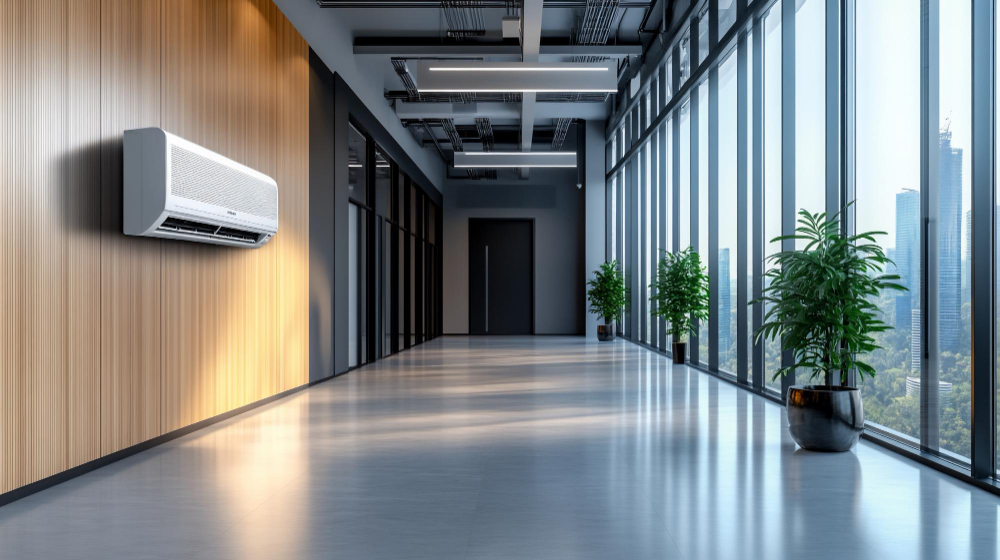
Energy efficiency is a growing priority for UK businesses. Rising energy costs, environmental responsibilities and stricter regulations mean companies are looking for smarter ways to manage their buildings. One of the most effective and often misunderstood solutions is modern commercial air conditioning. When designed, installed and maintained correctly, commercial air conditioning can significantly improve energy efficiency while creating a more comfortable working environment.
Modern Systems Are Designed for Efficiency
Today’s commercial air conditioning systems are far more energy efficient than older models. Advances in technology, such as inverter driven compressors and smart controls, allow systems to adjust output based on real-time demand rather than operating at full capacity all the time. This means less energy is wasted, particularly during periods of lower occupancy or cooler weather.
High efficiency systems are designed to maintain consistent temperatures without excessive power use, helping businesses reduce overall energy consumption while maintaining comfort levels.
Zoned Temperature Control Reduces Waste
One of the key ways commercial air conditioning improves energy efficiency is through zoned temperature control. Instead of cooling an entire building to the same temperature, systems can be divided into zones, each controlled independently.
For example, offices, meeting rooms, server rooms and reception areas can all operate at different temperatures depending on usage. This prevents unnecessary cooling of unused or low-occupancy areas, reducing energy waste and lowering running costs.
Improved Insulation and Airflow Management
Commercial air conditioning systems work most efficiently when paired with proper airflow management. Professional system design ensures that cool air is distributed evenly, avoiding hotspots or areas that require constant adjustment.
Modern systems also work in harmony with building insulation, preventing excessive heat gain during warmer months. By maintaining stable indoor conditions, the system doesn’t need to work as hard, leading to improved energy efficiency and reduced wear on components.
Heat Recovery Technology
Many modern commercial air conditioning systems use heat recovery technology, which captures waste heat from one area and redistributes it to another part of the building where heating may be required. This is particularly effective in larger commercial premises where different areas have varying temperature needs.
By reusing heat that would otherwise be lost, businesses can reduce their reliance on separate heating systems, lowering energy usage and improving overall efficiency.
Reduced Reliance on Manual Cooling Methods
Without effective air conditioning, businesses often rely on inefficient cooling methods such as portable fans, open windows or ad-hoc units. These solutions can disrupt temperature control, increase energy consumption and place additional strain on heating systems in cooler areas of the building.
A well-designed commercial air conditioning system provides consistent, controlled cooling, eliminating the need for inefficient alternatives and ensuring energy is used more effectively.
Smart Controls and Automation
Smart thermostats and building management systems play a crucial role in improving energy efficiency. Commercial air conditioning can be programmed to operate only when required, adjusting temperatures based on working hours, occupancy levels and seasonal changes.
Automated controls reduce the risk of systems being left on unnecessarily, helping businesses manage energy use more accurately and efficiently without constant manual intervention.
Regular Maintenance Keeps Systems Efficient
Even the most advanced air conditioning system will lose efficiency without proper maintenance. Dirty filters, low refrigerant levels and worn components force systems to work harder, increasing energy consumption.
Planned maintenance ensures systems operate at peak performance, extending their lifespan and maintaining energy efficiency. Regular servicing also helps identify small issues before they become costly, energy draining problems.
Supporting Sustainability and Compliance
Energy efficient commercial air conditioning helps businesses reduce their carbon footprint and support sustainability goals. Lower energy consumption directly translates into reduced emissions, supporting environmental commitments and corporate responsibility initiatives.
In addition, maintaining efficient systems helps businesses comply with UK regulations, including F-Gas requirements and energy efficiency standards.
Conclusion
Commercial air conditioning is not just about keeping spaces cool, it is a powerful tool for improving energy efficiency across commercial buildings. With modern technology, smart controls, zoned cooling and regular maintenance, businesses can reduce energy costs, enhance comfort and operate more sustainably.
Contact Us for Commercial Air Conditioning
If you’re looking to improve energy efficiency with professional commercial air conditioning, contact us today. Our experienced team provides expert installation, maintenance and repairs tailored to your business needs. Get in touch now to discuss your requirements and request a free, no obligation quote.