Air conditioning systems are designed to keep indoor spaces comfortable, but not all systems are built the same. The main difference between commercial and residential air conditioning lies in the size, complexity, and capacity of the systems. Residential AC systems are designed for homes and smaller spaces, while commercial air conditioning systems are built to handle larger buildings such as offices, retail stores, restaurants, and industrial facilities.
Commercial air conditioning systems must manage higher cooling demands, larger spaces, and more occupants compared to residential systems. Because of this, they are typically more powerful, more flexible in design, and capable of running for longer periods of time. Businesses often rely on these systems to maintain comfortable environments for staff and customers while also protecting equipment, products, and indoor air quality.
System Size and Capacity
One of the biggest differences between commercial and residential air conditioning is the size and cooling capacity of the system. Residential AC units are designed to cool individual homes or small spaces and typically have lower cooling loads. These systems are often simple split systems with one outdoor unit connected to one indoor unit.
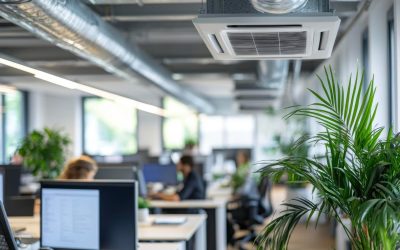
Commercial air conditioning systems, on the other hand, are built to cool much larger areas and multiple rooms at once. They often use advanced systems such as multi-split or VRF (Variable Refrigerant Flow) systems, allowing precise temperature control across different zones within the same building. This makes them ideal for offices, hotels, shops, and other commercial environments where cooling needs may vary from room to room.
Installation Location
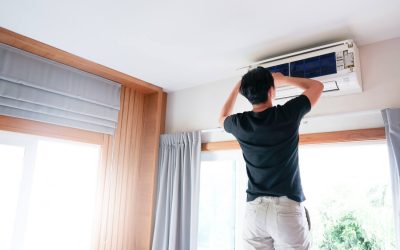
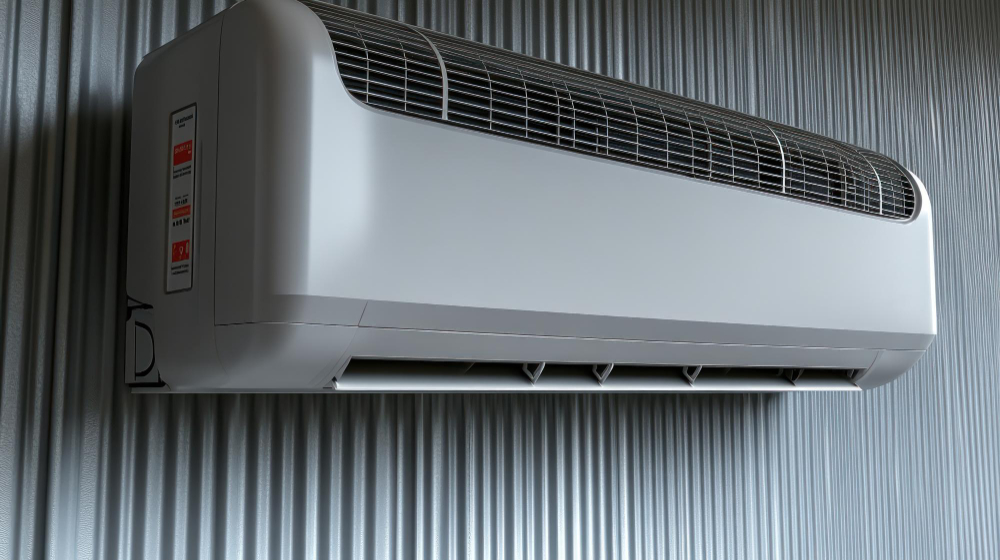
Another key difference is where the systems are installed. Residential air conditioning units are usually placed outside the home on the ground or mounted on walls. The indoor units are commonly installed within living spaces such as bedrooms or living rooms.
Commercial air conditioning systems are often installed on rooftops or in dedicated mechanical rooms. Rooftop installations help save space and make it easier for technicians to perform maintenance without disrupting daily business operations. Larger buildings may also use ducted systems that distribute cool air throughout multiple floors or zones.
Complexity and Controls
Commercial air conditioning systems are generally more complex than residential systems. They often include advanced control systems that allow different areas of a building to be cooled independently. For example, a restaurant may require cooler temperatures in the kitchen than in the dining area.
Residential systems typically use simple thermostats that control the temperature of the entire home or a single zone. Commercial systems, however, may include building management systems (BMS) that allow facility managers to monitor and adjust temperatures across the building to maximise comfort and energy efficiency.
Maintenance Requirements
Maintenance needs also differ between commercial and residential systems. Residential air conditioners usually require basic servicing once or twice a year, such as filter cleaning and general inspections.
Commercial systems operate for longer hours and handle larger cooling loads, so they often require more frequent maintenance. Regular servicing helps ensure the system remains efficient, prevents costly breakdowns and extends the lifespan of the equipment. Businesses often schedule planned maintenance to keep their systems running smoothly throughout the year.
Energy Efficiency
Energy efficiency is important for both residential and commercial air conditioning systems, but it plays a particularly significant role in commercial buildings where cooling large spaces can consume substantial energy. Modern commercial systems are designed with advanced technologies that help optimise performance and reduce operating costs.
Features such as variable speed compressors, smart controls, and zoning capabilities allow businesses to cool only the areas that need it, helping reduce energy waste and improve efficiency.
Conclusion
While both commercial and residential air conditioning systems serve the same basic purpose of cooling indoor spaces, they differ significantly in size, design, and functionality. Commercial systems are built to manage larger spaces, greater cooling demands, and more complex environments, while residential systems are designed for the simpler needs of homes.
Choosing the right type of system is essential for maintaining comfort, energy efficiency, and reliability. Working with experienced air conditioning professionals ensures that the system installed is properly suited to the building and its cooling requirements. Contact us today for a quote.