
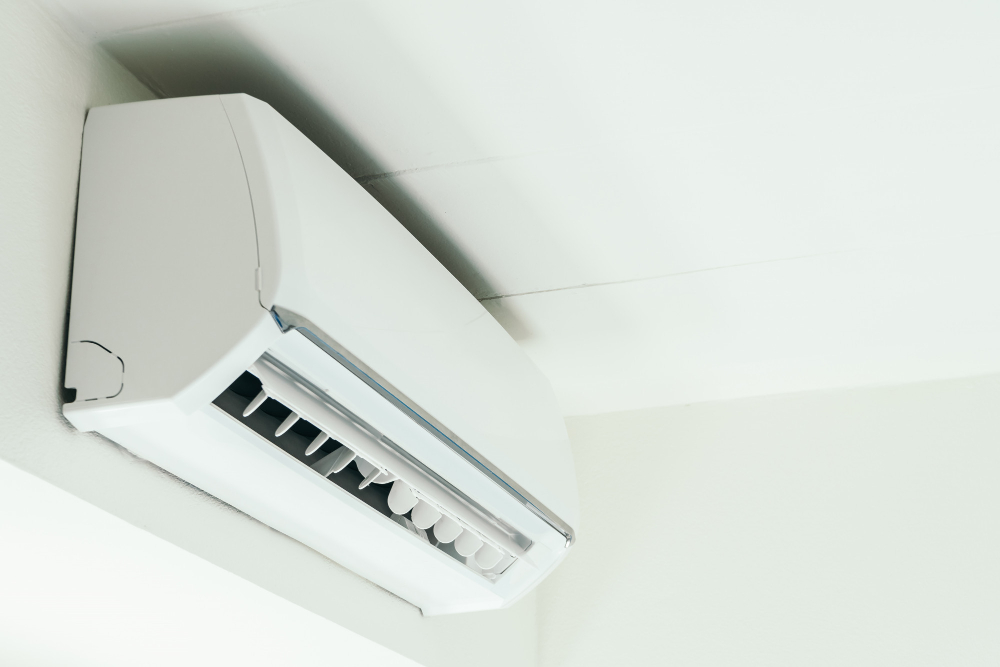
When we think of healthcare, our minds often jump to doctors, nurses, medicine and cutting-edge equipment. However, one often-overlooked aspect of hospital care is air conditioning. The quality of air inside a hospital is more than just a comfort issue, it can directly impact patient outcomes, staff performance and overall hygiene.
Infection Control and Air Quality
Hospitals are environments where infectious diseases are treated, making the control of airborne contaminants absolutely essential. Air conditioning systems play an important role in infection control by filtering the air and maintaining specific humidity and temperature levels that inhibit the spread of pathogens.
High-efficiency particulate air (HEPA) filters, which are often part of hospital HVAC systems, can capture bacteria, viruses and other microorganisms. Proper ventilation and pressurisation such as negative pressure rooms for infectious patients prevent contaminated air from spreading to other parts of the facility.
Patient Comfort and Recovery
Patient comfort is a key component of recovery. An environment that is too hot, too cold, or poorly ventilated can increase stress and discomfort, making recovery more difficult. Air conditioning systems help maintain a consistent indoor climate, which contributes to both physical and mental well-being.
For patients with conditions like respiratory issues or cardiovascular disease, clean and cool air can have therapeutic benefits. Consistent temperature and humidity levels reduce the risk of complications and can even shorten hospital stays.
Staff Performance and Well-being
Healthcare professionals work long hours in high-pressure environments. A hospital that is too hot or poorly ventilated can contribute to fatigue, dehydration, and reduced concentration all of which can affect decision-making and overall performance.
Efficient air conditioning helps maintain an optimal working environment for staff. When healthcare workers are comfortable and alert, they’re better equipped to provide high-quality care to their patients.
Equipment Functionality and Longevity
Modern hospitals rely on an array of sensitive equipment, from MRI machines to surgical tools and computer systems. These devices often generate heat and are highly sensitive to temperature fluctuations. Without proper air conditioning, overheating can occur, leading to malfunction or even permanent damage.
Specialist areas like operating theatres and intensive care units require strict temperature control to maintain equipment reliability. Air conditioning systems ensure that both equipment and the environment are operating within optimal parameters.
Compliance with Regulations
Hospitals in the UK must adhere to strict regulatory standards concerning air quality, temperature control, and infection prevention. The Department of Health and Social Care, along with the NHS and CIBSE (Chartered Institution of Building Services Engineers), provide detailed guidelines on ventilation and HVAC systems in healthcare settings.
Failing to comply with these standards can result in penalties, legal liability, or even temporary closure of facilities. Investing in a high-quality, compliant air conditioning system isn’t just beneficial, it’s essential.
Energy Efficiency and Cost Savings
While installing and maintaining air conditioning systems may seem costly, the long-term benefits include increased energy efficiency and reduced operational costs. Modern systems are designed to be energy-efficient, meaning lower utility bills and a smaller carbon footprint.
In addition, a well-maintained air conditioning system reduces wear and tear on other hospital infrastructure, extending the lifespan of both HVAC equipment and other connected systems.
Tailored Solutions for Diverse Needs
Hospitals are made up of various departments, each with unique requirements. For example, operating theatres require cooler temperatures and higher air change rates, while maternity wards and general wards may have more lenient requirements. Air conditioning solutions can be customised to meet these varying needs without compromising energy efficiency or performance.
Modular systems and smart HVAC controls allow facility managers to monitor and adjust temperatures in real time, ensuring optimal conditions across the board.
Conclusion
Hospital air conditioning is more than just a creature comfort, it’s a fundamental component of modern healthcare infrastructure. From infection control and patient comfort to staff performance and regulatory compliance, the benefits are both immediate and far-reaching. A high-quality air conditioning system ensures that hospitals remain safe, efficient, and supportive environments for all who enter their doors.
Looking to Install or Upgrade Air Conditioning?
If you’re responsible for managing a healthcare facility and need expert advice or installation services for air conditioning, contact us today.